Guides With kids
Backyard activities for kids
Your backyard is busier than it looks. Here are eight wildlife adventures that need nothing more than a torch, a pencil and a bit of patience, from a 20-minute bird count to an after-dark hunt for eyeshine.
.jpg)
Outdoor activities for kids
that start at the back door. Pick one, give it 20 minutes, and see who turns up. Most work any day of the year; a few have a season.
- Go on a scavenger hunt. Sixteen things to find, from a spider web to bird poo. Tick them off on a phone or print the sheet. Our free nature scavenger hunt
- Count the birds. The Aussie Bird Count asks for 20 minutes in one spot, and your tally joins the national results. Birds are busiest at dawn and dusk. BirdLife BirdLife FAQ Bird count with kids
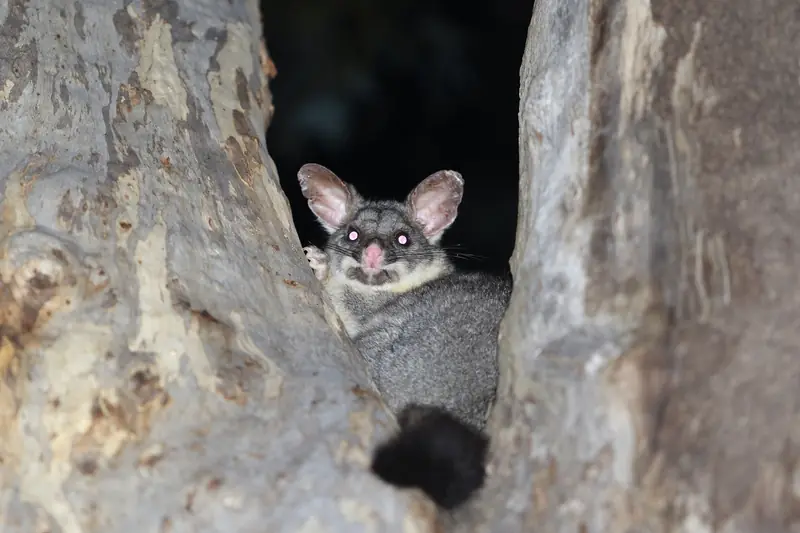
- Hunt for eyeshine after dark. Possums sleep through the day and come out after sunset to feed. Sweep a torch slowly along branches and roofs and look for two bright dots looking back. DBCA
- Listen for frogs. Perth’s most common garden frog, the motorbike frog, sounds like a motorbike changing gears. WA Museum Record one with the free FrogID app and Australian Museum experts will listen to it. FrogID Week runs 6 to 15 November 2026. FrogID
- Be a quenda detective. Little cone-shaped holes in the lawn? In south-west WA, a quenda may have been digging for beetles, grubs and fungi. DBCA Quenda guide
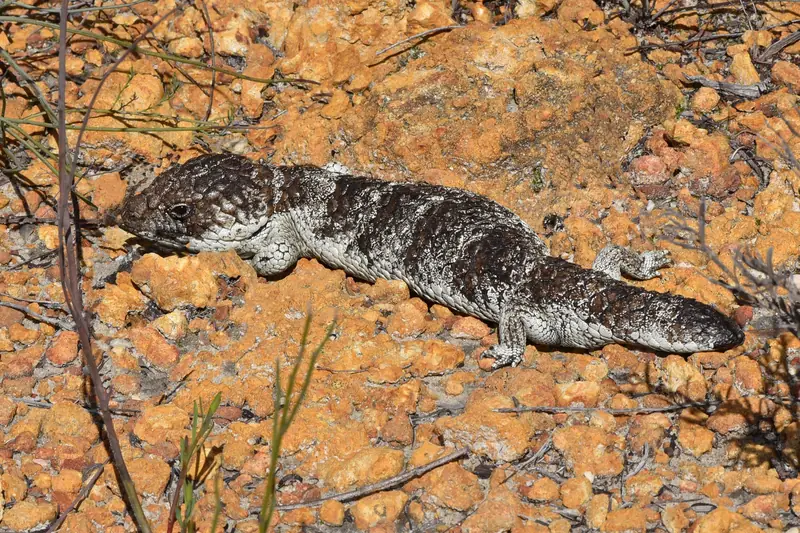
- Spot a bobtail. Bobtails pair up between September and November, and the same pairs may meet again year after year. Australian Museum Look, don’t touch. Bobtail guide
- Watch the bees. The bush around Perth has at least 50 kinds of native bee. Blue-banded bees are the ones you’re most likely to see: look for the stripes. WA Museum
- Set up a bird bath. Water brings birds in without harming them. DBCA asks people not to feed wild birds, and to keep fresh water in a bird bath instead. DBCA In WA, feeding native wildlife without lawful authority is an offence. BC Act s 155
Nocturnal animals for kids
are closer than they think. The backyard has a night shift. Possums wake up after sunset, and you might hear the “boo-book” call of the southern boobook, Australia’s smallest owl. DBCA Australian Museum
Head out about half an hour after sunset. Stand still, let your eyes adjust, then sweep the torch slowly. Use it to see where you’re walking, and don’t hold the beam on an animal’s eyes.
.jpg)
Backyard animals for kids
change with the seasons, so the same yard has new things to find all year. These are for south-west WA, where we started.
-
Spring Sep to Nov
- Bobtails pair up. Australian Museum Bobtail guide
- Lizards on the move as it warms up: more reptile sightings, snakes included. DBCA
- Magpies nest, usually August to October. Give swoopers a wide berth. DBCA Magpie guide
-
Summer Dec to Feb
- Baby bobtails, born between December and April. Australian Museum
- Go out early or late. Cooler for you, and possums come out after sunset. DBCA
-
Autumn Mar to May
-
Winter Jun to Aug
Nature activities for kids
go better with a few tricks. None of them cost a thing.
- Give everyone a job. Spotter, counter, recorder. The youngest gets the best one: pointing.
- Make the phone a tool. Record a frog for FrogID, or photograph a find instead of picking it up. FrogID accounts are for 13 and up, so use a grown-up’s. FrogID terms
- Same time, same spot. Keep a list of who turns up. Kids love completing a collection.
- Quiet voices, slow moves. BirdLife asks birdwatchers for both, and for a distance that doesn’t stress birds. BirdLife
- Look, don’t touch. It keeps the kids safe and the animals calm, and it’s the one rule worth learning by heart.
Snake in the backyard
or a sick bird? Kids tell a grown-up, and the grown-up makes the call.
- A snake. Stay back, and keep kids and pets away. Treat every snake as venomous. If anyone is bitten, call 000. DBCA
- A sick or dead bird. Don’t touch it. H5 bird flu has been found in WA: report it to the Emergency Animal Disease Hotline on 1800 675 888. DPIRD
- A bat. Never touch one, and make sure kids know it too. healthdirect
- An injured animal. Ring the Wildcare Helpline on (08) 9474 9055. DBCA Who to call in every state
- The sun. Hats and sunscreen whenever the UV Index is 3 or above. Healthy WA
Fun things to do outside
with kids: quick answers.
When is the best time to see backyard wildlife?
Dawn and dusk. Birds are busiest then, and possums come out after sunset. BirdLife FAQ DBCA
What can kids do outside at night?
Go on a torch walk. Look for possum eyeshine in the trees, listen for frogs, and keep an ear out for a boobook’s “boo-book”. DBCA Australian Museum
Can we feed the birds to bring them closer?
No: put out water instead. DBCA says not to feed wild birds, and in WA feeding native wildlife without lawful authority is an offence. A clean, topped-up bird bath does the job. DBCA BC Act s 155
Our reading of the Act, not legal advice.
Do these activities work outside WA?
Yes. Birds, bees, frogs, lizards and possums turn up in backyards all over Australia. The quenda and the frog names are West Australian; the seasons above are for south-west WA.
Sources, checked 12 October 2026
- Aussie Bird Count 2026 BirdLife Australia: 19 to 25 October 2026; 20 minutes in one spot
- Aussie Bird Count FAQ BirdLife Australia: count any time of day; birds are more active at dawn and dusk (read 9 Oct 2026)
- Possums DBCA Fauna Notes: possums are largely nocturnal, “spending the majority of the daytime asleep in hollows or similar refuges and emerging after sunset to forage for food”
- Southern boobook Australian Museum (updated 28 Jul 2022): “the smallest and most common owl in Australia”; nocturnal; “a distinctive ‘boo-book’ call”
- FrogID Week Australian Museum: “the free FrogID app”; “Every FrogID recording is listened to by one or more frog call experts at the Australian Museum”; FrogID Week runs Friday 6 to Sunday 15 November 2026
- FrogID terms of use Australian Museum, updated 31 Jul 2026, clause 1.1: users must be at least 13; for under-18s, a legal guardian accepts the terms on their behalf
- Motorbike frog WA Museum FrogWatch: the most commonly encountered frog in Perth suburban gardens; its call is “similar to a motorbike changing gears”
- Quenda DBCA Fauna Notes: quenda eat earthworms, beetles and their larvae, and fungi, tubers and bulbs, “which they find while digging conical-shaped holes in the ground”
- Shingleback lizard Australian Museum (updated 21 Apr 2026): pairs reunite between September and November; “The same pairs may re-form in the mating season over several years”; young born between December and April
- Reptiles in and around the house DBCA Fauna Notes (2017): reptiles move around more as it warms, particularly in early spring in the south-west, and bask in the sun on winter days; with a snake, presume it’s venomous and “Keep children and animals away”; call 000 if bitten
- Native bees WA Museum: “At least fifty species of bees inhabit the bushlands around Perth”; blue-banded bees are “the most likely to be seen”
- Wildcare Helpline DBCA: “Do not feed wild birds”; fresh water in a bird bath; the helpline number, (08) 9474 9055
- Biodiversity Conservation Act 2016 (WA), s 155 “A person must not feed fauna unless the person has lawful authority to feed it.” Our reading of the Act, not legal advice
- Magpies: swooping and safety issues DBCA Fauna Notes (2017): “Magpies breed between August and October”
- Moaning frog WA Museum FrogWatch: males call for a month or so after the first heavy autumn rains; common in and around Perth
- Western banjo frog WA Museum FrogWatch: calling from July to August around Perth; a single, explosive “bonk”
- H5 bird flu in Western Australia DPIRD (updated 9 Oct 2026): don’t touch or move sick or dead wild birds; report them to the Emergency Animal Disease Hotline, 1800 675 888
- Australian bat lyssavirus healthdirect (reviewed May 2025): “Ensure that your children know that they should not touch bats.”
- How to be SunSmart Healthy WA (last reviewed 4 Jan 2021): “You need to use sun protection when the UV Index is 3 or above”
- Ethical birdwatching BirdLife Australia: keep a distance that doesn’t stress birds; walk slowly and speak quietly
We’re an independent site, and nobody pays us to link anywhere on this page.