Guides Rat poison and wildlife
New rules in 2026: tight limits on second-generation rat poisons since 24 March
Is there an owl-safe rat poison?
Not one rat poison is proven safe for owls. For rats in the roof, start with food, shelter and snap traps. APVMA APVMA WA Health

- Size
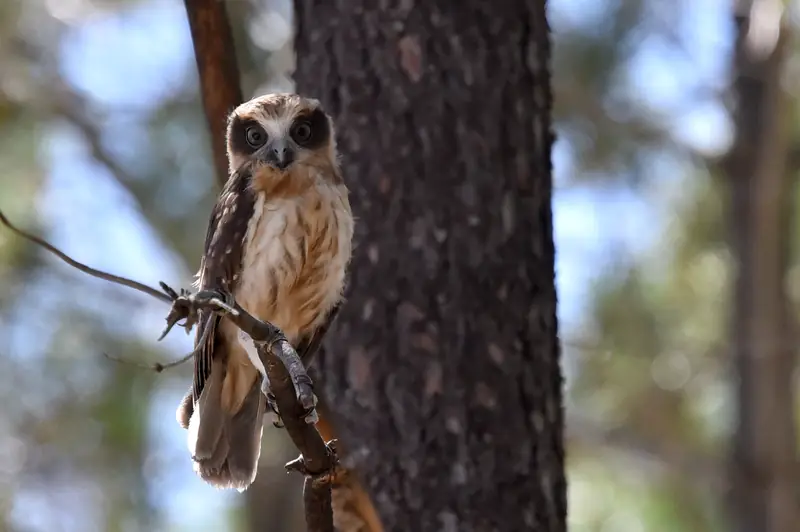
- 28 to 36 cm the southern boobook, Australia’s littlest and commonest owl Australian Museum. A rat’s body grows up to 25 cm WA Health A southern boobook is 28 to 36 centimetres long. A rat’s body grows to about 25 centimetres.
- Eats
- Insects and small mammalsmostly the night shift Australian Museum
- The risk
- Poisoned preya rodent can take 5 to 10 days to die after a lethal dose APVMA
If you’ve got rats
or mice, start without poison. Take away food and beds, close the way in, then trap.
- Check it’s a rat, not a possum. Rats and mice leave thin black droppings, 12 to 18 mm long. Squeaking, gnawing or scratching in the roof can also be a possum. WA Health Possums are native, and it’s an offence to kill, injure or move native animals without a permit. DBCA
- Take away food. Keep food, pet food, bird seed and chicken feed in sealed containers. Tight lids on bins. Fruit picked, windfalls cleared, pets’ leftovers lifted. WA Health
- Take away shelter. Clear clutter and garden waste, clean out the shed, stack firewood about 40 cm off the ground, and skip open compost heaps. WA Health
- Close the way in. Seal gaps and holes, fix or fit mesh screens, and cover tank openings and floor vents with mesh no coarser than 1 mm. WA Health
- Trap. WA Health calls the humble snap trap (a spring-back break trap) “still the safest trap for home use”. Set several at once, away from the kitchen, and check them daily. Wrap the bodies before binning them. WA Health
- If you bait, follow the label to the letter. Under the 2026 suspension, home baits with second-generation poisons are indoors only, in a secured tamper-resistant bait station, for no more than 35 days. Look for dead rodents at every check and bin them. APVMA Or use a licensed pest management technician, and ask for a plan that covers entry points and food sources too. WA Health
- An animal in trouble? For injured wildlife, ring the Wildcare Helpline on (08) 9474 9055. DBCA For a sick or dead wild bird, don’t touch it: report it on 1800 675 888, as H5 bird flu has been found in WA. DPIRD If a child may have eaten bait, ring the Poisons Information Centre on 13 11 26, or 000 if they’ve collapsed. WA Health For a pet, ring your vet. WA Health
Does rat poison hurt owls
and other wildlife? Yes, and often. Australian studies keep finding it in owls, snakes, lizards and possums, from Perth to the eastern states. Lohr 2018 Lettoof 2020 Cooke 2023
Perth and WA
Dugite, Perth Lettoof 2020
Southern boobook, WA Lohr 2018
Bobtail, Perth Lettoof 2020
Tiger snake, Perth Lettoof 2020
Victoria, SA and NSW
Owls and frogmouths, 4 species Cooke 2023, second-generation only
Brushtail possum, Victoria Scammell 2024
Ringtail possum, Victoria Scammell 2024
- 50.7%
- Half the WA boobooks tested carried potentially dangerous levels in the liver. Lohr 2018
- 80%
- Four in five barn owls tested out east carried levels at which toxic or lethal effects would have occurred. Cooke 2023
- 5 to 10 days
- How long a poisoned rodent can linger, still eating bait and still easy prey. APVMA
Is rat poison being banned
in Australia? Not banned, but restricted, and still under review. Here’s where the national regulator, the APVMA, stands on 9 October 2026.
- A proposed decision. The APVMA found that the way second-generation baits are used “is creating current risks to non-target animals, including native wildlife”. It proposed limits on all anticoagulant baits, first-generation ones too, and cancelling some products. APVMA
- A case for licensing. The APVMA certified that second-generation baits should become “restricted chemical products”, so only people with the right training and licence could buy and use them. APVMA
- A one-year suspension starts. Second-generation products may only be sold and used under the APVMA’s published instructions, and shops must hand buyers a printed copy. For home products: indoors only, in a secured tamper-resistant bait station, for no more than 35 days, checking for dead rodents at every visit. APVMA Gazette No 5 APVMA FAQ
- May to Jun 2026Licensing consulted on. The federal Agriculture department asked for views from 11 May to 11 June. If declared, these baits “would only be available to people authorised under legislation in each state and territory”. The APVMA says a firm timeline “is not yet available”. APVMA APVMA FAQ
- Jun to Oct 2026Products return, one at a time. The APVMA has been changing individual products’ labels to add instructions and conditions, then lifting their suspensions: the first on 2 June, the latest we found on 29 September. Gazette No 12 Gazette No 20
- NowNo final decision yet. The APVMA’s review page still lists its final decision as “Forecasted”. APVMA
Our summary of APVMA notices, not legal advice. The APVMA says its suspension instructions “are enforceable under state and territory legislation and apply nationally”. APVMA
How to get rid
of rats without poison? Food, shelter, the way in, then traps. Fridge-door list, and what puts owls at risk.
Do
- Keep food, pet food, bird seed and chicken feed in sealed containers. WA Health
- Pick fruit, clear up windfalls, and keep tight lids on bins. WA Health
- Seal gaps and holes, and mesh tank openings and floor vents. WA Health
- Stack firewood about 40 cm off the ground, and clear clutter. WA Health
- Set several snap traps, and check them every day. WA Health
- Wrap dead rodents and bin them. WA Health
Don’t
- Use a home second-generation bait outdoors, or outside a secured tamper-resistant bait station. APVMA
- Leave bait where children or pets can reach it. WA Health
- Keep baiting past 35 days. Get advice instead. APVMA
- Leave dead rats and mice where an owl, cat or dog could eat them. APVMA WA Health
- Use farm baits at home. WA Health
- Kill or move a possum. It’s an offence without a permit. DBCA
Do owls eat poisoned
rats? Owls that hunt rats and mice can. Barn owls feed mostly on small mammals, rats and mice. Australian Museum A poisoned rodent can take 5 to 10 days to die, and it keeps feeding the whole time. APVMA Here’s what people ask most, answered up front.
Is there an owl-friendly rat poison?
No poison has been shown to be safe for owls. The APVMA says first-generation poisons (warfarin, coumatetralyl and diphacinone) break down faster in rodents, so there’s “less chance” of poisoning the animals that eat them. Less isn’t none, and they’re part of the review too, with new limits proposed. APVMA APVMA
For bromethalin, a newer poison that isn’t an anticoagulant, the APVMA couldn’t conclude that the risk to animals eating poisoned rodents was acceptable. Zinc phosphide isn’t approved for use in houses. APVMA APVMA
Does rat poison hurt owls?
Yes. Most owls tested in Australia carry it, many at harmful levels. Of 73 boobooks found dead or dying in urban and semi-urban WA, 72.6% had rat poison in the liver and 50.7% had potentially dangerous levels. Lohr 2018 APVMA In Victoria, SA and NSW, second-generation poisons were in 92% of the owls and frogmouths tested. Cooke 2023
Of 696 wildlife health incidents recorded nationally from 2006 to 2021, 77 (11%) involved suspected rat poisoning. The APVMA notes that effects on whole populations haven’t been established, but counts each wildlife death as harm in its own right. APVMA
Is rat poison dangerous to other animals?
Yes: to reptiles, possums, parrots and pets too. In Perth it turned up in 91% of dugites, 60% of bobtails and 45% of tiger snakes tested. Lettoof 2020 In Victoria it was in 91% of brushtail possums tested, and powerful owls there seem to get most of theirs from eating possums, not rats. Scammell 2024 Scammell 2026 In WA, second-generation rat poison was found to have poisoned a wild Carnaby’s cockatoo, the first such case in a wild Australian parrot. Le Souëf 2024 And WA Health warns that pets and children may eat baits or poisoned rodents. WA Health
What if my dog or child eats rat poison?
What’s the difference between first- and second-generation rat poison?
Strength, and how long the poison lasts in the body. First-generation baits (warfarin, coumatetralyl and diphacinone) need several feeds to kill. Second-generation baits (brodifacoum, bromadiolone, difenacoum, difethialone and flocoumafen) can kill in one feed, break down more slowly, and carry a higher risk of poisoning the animals that eat the rodents. APVMA
Can you put rat bait outside?
Not a home bait with a second-generation poison, under the suspension rules. The APVMA’s instruction for those products is “DO NOT use this product outdoors.” APVMA Products back on sale have new labels with extra conditions, so read yours before you start. APVMA The APVMA also says second-generation baits aren’t approved for use “in the open, or in other areas accessible to non-target animals or children”. APVMA
What should I do if I find a sick owl?
Don’t touch it, and don’t try to treat it. In WA, report a sick or dead wild bird to the Emergency Animal Disease hotline on 1800 675 888. DPIRD For an injured one, ring the Wildcare Helpline on (08) 9474 9055: its volunteers can put you in touch with your nearest registered wildlife rehabilitator. DBCA asks you not to give the animal food or water. DBCA
Sources, checked 9 October 2026
- Rodenticides APVMA, updated 26 Jun 2025: first- and second-generation chemicals; rodents die 5 to 10 days after a lethal dose; “less chance” of secondary poisoning with first-generation; second-generation not approved “in the open”; zinc phosphide not for houses
- Anticoagulant rodenticides chemical review APVMA, content updated 16 Dec 2025: final regulatory decision “Forecasted”
- APVMA proposes sweeping changes to anticoagulant rodenticide use APVMA news, 16 Dec 2025: the proposed decision, covering first-generation products too
- APVMA certifies that second-generation anticoagulant rodenticides should be restricted chemical products APVMA news, 10 Mar 2026: one-year suspension from 24 March 2026; instructions enforceable nationally
- APVMA Gazette No 5, 10 March 2026 the suspension notice and reasons: home products indoors only, in secured tamper-resistant bait stations, for no more than 35 days, with dead rodents removed at each visit; 77 of 696 wildlife incidents (2006 to 2021) involved suspected rodenticide poisoning (para 20)
- FAQs: anticoagulant rodenticides and actions by the APVMA APVMA, 19 Mar 2026: printed instructions given at sale; no firm timeline for restricted status
- Proposal to declare SGARs to be restricted chemical products APVMA, 11 May 2026: Agriculture department consultation, 11 May to 11 June 2026
- APVMA Gazette No 12, 16 June 2026 first suspensions lifted (2 June 2026) after label changes
- APVMA Gazette No 20, 6 October 2026 latest suspensions lifted (29 September 2026), with labels varied “to include additional instructions, and conditions”
- Public release summary on bromethalin APVMA, June 2021: acceptable risks of secondary poisoning “could not be concluded”
- Anticoagulant rodenticides review technical report APVMA, Dec 2025: describes Lohr 2018’s 73 boobooks as from urban and peri-urban areas of WA
- Lohr 2018, anticoagulant rodenticide exposure in an Australian predatory bird Science of the Total Environment 643: southern boobooks found dead or dying; 72.6% exposed, 50.7% above 0.1 mg/kg
- Lettoof and others 2020, “Toxic time bombs” Science of the Total Environment 724, Perth: dugites 91%, bobtails 60%, tiger snakes 45%
- Cooke and others 2023, “Silent killers?” Science of the Total Environment 904, Victoria, SA and NSW: second-generation poisons in 92% of four owl and frogmouth species; potentially toxic or lethal in 80% of barn owls
- Scammell and others 2024, “The missing toxic link” Science of the Total Environment 933, Victoria: brushtail possums 91%, ringtail possums 40%
- Scammell and others 2026, “Beyond rodents” Science of the Total Environment 1013, Victoria: powerful owls poisoned mainly through possums
- Le Souëf and others 2024, rodenticide toxicosis in a wild Carnaby’s cockatoo Journal of Avian Medicine and Surgery 38(3), WA: first case in a wild Australian parrot
- Keeping rats and mice under control WA Health (HealthyWA), last reviewed 13 May 2026: food, shelter, entry points, traps, possum noises, farm baits, pets, licensed technicians, disposal
- Prevent poisoning in the home WA Health with the WA Poisons Information Centre: 13 11 26, 24 hours; 000 if collapsed
- Wildcare Helpline DBCA: the helpline number; referral to registered rehabilitators; don’t give food or water
- H5 bird flu in Western Australia DPIRD, updated 9 Oct 2026: avoid sick or dead wild birds; report them on 1800 675 888; injured wildlife to the Wildcare Helpline
- Living with native wildlife DBCA: native fauna is protected; an offence to kill, injure, trade, keep or move it without a permit
- Southern boobook Australian Museum, updated 28 Jul 2022: 28 to 36 cm; also called mopoke; eats insects and small mammals, mostly at night
- Eastern barn owl Australian Museum, updated 29 Jul 2022: feeds mostly on small mammals, rats and mice
Study figures are for the animals each study tested, not whole wild populations. We name chemicals, never products, and link to no shops.