Guides Bird flu
Bird flu and backyard birds
Found a sick or dead bird? Don’t touch it. Report it to the Emergency Animal Disease Hotline, and keep children and pets away. DPIRD
Emergency Animal Disease Hotline
1800 675 88824 hours, toll-free, for sick or dead birds anywhere in Australia. In WA, choose the WA option. DPIRD WHA Australian Government
Injured, not sick? In WA, that’s the Wildcare Helpline, (08) 9474 9055. DPIRD
Found a dead bird
what to do? It depends whose bird it is. Pick the one that fits.
A sick or dead wild bird
1800 675 888 Emergency Animal Disease Hotline, 24 hours
- Keep your distance. Don’t touch or move it, and keep children and pets away. DPIRD
- Note the date, time and place, and take photos if you can. DPIRD
- Ring the hotline and choose the WA option. DPIRD Or use DPIRD’s online reporting form. DPIRD
- Don’t bin or bury a dead bird yet. If it’s going to be tested, DPIRD or another agency collects it. DPIRD
An injured wild bird
(08) 9474 9055 Wildcare Helpline, WA
- Injured or orphaned wildlife goes to the Wildcare Helpline, not the bird flu hotline. DPIRD
- Ring before you take it anywhere. DPIRD says “not all facilities will accept sick birds during an H5 bird flu outbreak.” DPIRD
- Looks sick rather than hurt, or you can’t tell? Keep your distance and ring 1800 675 888 instead.
- Outside WA? Find your state’s wildlife number.
My chooks or ducks are sick
1800 675 888 or your local vet
- Ring your vet or the hotline. That’s DPIRD’s advice for sick poultry or pet birds. DPIRD
- Keep sick birds apart from the rest of the flock. DPIRD
- Don’t eat their eggs while they’re unwell. DPIRD
- Reporting is a legal duty here. DPIRD: “If you think your birds may have H5 bird flu, you are legally required to report it to DPIRD.” DPIRD
My pet found a dead bird
1800 675 888 for the bird, and your vet for your pet
- Get your pet away from it. DPIRD: “Don’t let pets eat, sniff or have contact with sick or dead birds/animals.” DPIRD
- Report the bird, and leave it be until you have. DPIRD
- Watch your pet. If it gets sick, ring your vet. DPIRD
- Touched the bird yourself? “Shower and change clothes and clean your shoes before touching your pets.” DPIRD
Bird flu WA
update: found in a small number of seabirds, with no detections in poultry and no evidence of local spread among wildlife. DPIRD
What it is
H5 bird flu is “a serious disease that mainly affects birds. It can also infect other animals, and in rare cases, people.” DPIRD
It’s a different beast from the H7 strains Australia has stamped out in poultry before: H5 “seriously affects a much wider range of species”. DPIRD
It was first found in Australia in June 2026, near Esperance, in a migratory seabird. Infected seabirds fly in from the sub-Antarctic, and nobody can stop them. DPIRD So DPIRD expects it “is likely to establish in wildlife in WA at some stage.” DPIRD
Where things stand, as checked 14 October 2026
Western Australia
- 10 confirmed detections, “all in wild migratory seabirds found along the WA coastline from Esperance to Northampton.” DPIRD, 12 Oct
- No cases in poultry, and “no evidence the disease has established in WA wildlife.” DPIRD, 12 Oct
- None new in the week to 9 October: 10 positives from 570 tests since 19 June. WA Government, 9 Oct
- In the South West, the third case was “a giant petrel found in Quindalup on the State’s South West coast”. WA Government, 27 Jun
Australia
705 confirmed events in wildlife, as at 4 pm AEST, 12 October 2026 Australian Government
- An event can be one animal or many. Australian Government, 13 Oct
- Mostly wild birds, led by terns and gulls, plus a small number of wild mammals: seals, sea lions, dolphins and foxes. None in poultry. Events list, 12 Oct Australian Government, 2 Oct
- Familiar birds on the list, all in the eastern and southern states: five magpie events, ravens, birds of prey and one southern boobook. No ducks or swans so far, which doesn’t make them safe. Events list, 12 Oct
- Local spread between wild birds in Victoria and South Australia, with “a number of mass mortality events”. WHA, 7 Oct
Figures change weekly. For the latest, see DPIRD for WA and birdflu.gov.au for Australia (outbreak.gov.au now sends readers there).
Can native birds get
bird flu? Yes. Officials assume any wild bird could. WHA
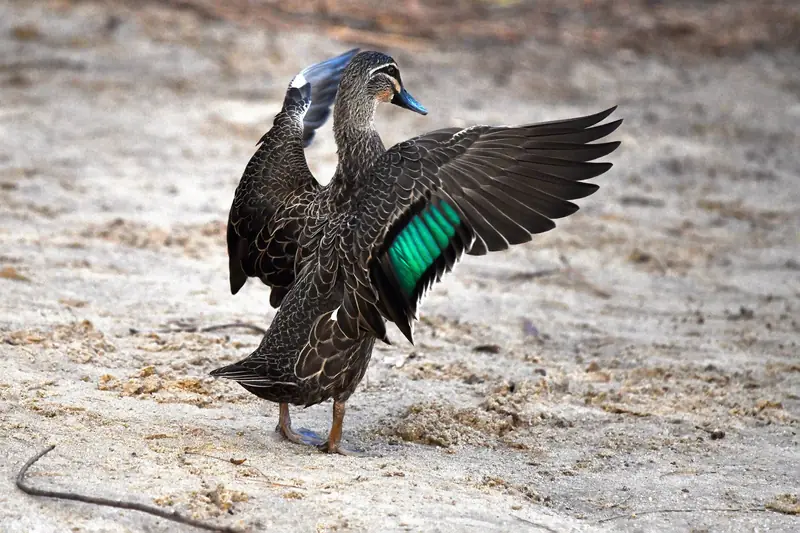

Signs DPIRD lists in wild birds
- can’t stand, walk, or fly properly
- droopy or puffed-up appearance
- breathing problems (panting or sneezing)
- unusual head or neck posture
- sudden death (especially in large numbers) DPIRD
Plenty of other troubles look the same, from poisoning to botulism and heat stress. WHA So don’t play detective: report it, and the hotline decides whether to test. DPIRD (More on poisoning: rat poison and wildlife.)
Most at risk
Worldwide, waterbirds such as swans and diving ducks, shorebirds, seabirds and birds of prey are often hit, and Australian birds in those groups “are likely to be more at risk.” WHA Scavengers catch it by eating infected birds or carcasses, DPIRD and it has hit hard “where birds gather in large numbers.” Australian Government
Can ducks get
bird flu? Yes, and so can your chooks. WA hasn’t had a case in poultry. Most of the advice is about keeping wild birds out. DPIRD
- Close the coop to wild birds. Cover the roof so droppings can’t fall in, and use secure netting. DPIRD
- Guard their food and water. Keep wild birds off feed, water and bedding. Use mains water, or treat pond water first. DPIRD
- Remove the lures. Clean up spilled feed straight away, and net or remove ponds and roosting trees that draw wild birds. DPIRD
- Wash up. Soap your hands before and after handling your birds or eggs, and wear clean shoes. DPIRD
- Quarantine newcomers. Keep new or sick birds apart “for at least 30 days”. DPIRD
“Wild birds can carry avian influenza even when they look healthy.” And in WA, “poultry” includes your ducks and geese, so all of this applies to them. DPIRD
Signs to watch: “lack of energy, not wanting to walk, eat or drink, being fluffed up, diarrhoea, unexplained deaths”, and fewer, soft-shelled or misshapen eggs. DPIRD Only a lab test can confirm bird flu. Australian Government
Dog sniffed a dead bird
bird flu risk? Low, says DPIRD, but cats that catch it can get very sick or die. DPIRD
Overseas, cats and dogs have caught it “by eating infected birds, mammals and pet food containing raw meat.” DPIRD
- Keep dogs on a lead in wildlife areas. DPIRD
- Keep cats indoors or in an enclosure. DPIRD
- Keep wild birds off your pet’s food and water. DPIRD
- Raw meat: DPIRD’s line is conditional. “If H5 bird flu establishes in Australia, do not feed raw meat to pets.” DPIRD
Signs DPIRD lists in cats and dogs include fever, lethargy, decreased appetite, coughing or sneezing, difficulty breathing, and tremors or seizures. “If your cat or dog has had contact with birds or wildlife and becomes sick, contact your veterinarian for advice.” DPIRD
What happens if you touch
a dead bird? The risk to people is low. WA Health still says don’t. WA Health
HealthyWA: “The risk to human health remains low.” WA Health The Australian CDC: “There have been no human infections of this clade in Australia.” CDC
But WA’s Chief Health Officer says people who find a sick or dead bird “should not touch or handle it”, WA Health and HealthyWA adds “their surroundings, droppings, body fluids, feathers and eggs”. WA Health If you truly have to move one, follow the Australian Government’s protective gear steps and disposal guidance. Australian Government
Flu-like symptoms within 10 days of contact with wildlife thought to be infected? HealthyWA says to call your Public Health Unit, stay home and away from others while unwell, and “call ahead and inform healthcare staff you may have been in contact with avian influenza”. WA Health
Should I feed wild birds
during avian flu? No. Feeding crowds birds together, and crowds spread disease. Australian Government
The Australian Government: “Do not feed wild birds or animals.” Australian Government Wildlife Health Australia: “Wild birds do not need to be fed by humans to thrive.” WHA BirdLife Australia: “we strongly advise against feeding wild birds.” BirdLife
In WA it’s the law as well: “A person must not feed fauna unless the person has lawful authority to feed it.” BC Act s 155
Our reading of the Act, not legal advice.
And the bird bath?
Wildlife Health Australia asks us to minimise wildlife gatherings, “such as at bird baths or feeders”. WHA The Australian Government says a bird bath is fine if it’s kept clean: “regularly clean and disinfect bird baths and water containers”, “refresh water often”, and “wash your hands after handling these items.” Australian Government
So if you keep one, keep it very clean, and keep pets away from it. Australian Government
More on feeding in our guides to ducks, swans and magpies, and myths, busted.
Should I report a dead bird
in my yard? In WA, yes, before you move it. DPIRD
Do
- Keep your distance, and keep children and pets back. DPIRD
- Ring 1800 675 888, any time of day or night. DPIRD
- Wait for the hotline before you bin or bury a dead bird. DPIRD
- Wash your hands before and after handling any birds, even healthy ones. WA Health
Don’t
- Touch or move a sick or dead bird. DPIRD
- Bring one indoors. Australian Government
- Take a sick bird to a vet or carer without ringing first. DPIRD
- Feed wild birds. Australian Government BC Act s 155
- Let pets eat, sniff or touch sick or dead birds. DPIRD
- Move a dead bird on public land. Report it, then leave it. DPIRD
Any other sick, injured or dead animal: who to call in each state.
Can wild birds recover
from bird flu? Most don’t, says DPIRD, which is why the advice is to leave them be. DPIRD
Do I have to report a sick or dead bird in WA?
If you suspect bird flu, yes, say DPIRD and the Australian Government. DPIRD: “Under WA’s Biosecurity and Agriculture Management Act 2007, any strain of bird flu (avian influenza) is a reportable disease and anyone who suspects the disease is present must report it.” DPIRD The Australian Government: “You must report any sick or dead birds if you suspect H5 bird flu.” Australian Government
Quoted from DPIRD and the Australian Government, not legal advice.
Can I put a dead bird in the bin?
Not until you’ve reported it. If the hotline says it won’t be tested, the job is yours. DPIRD: “Subject to council local laws, owners will be able to dispose of dead birds by placing them in plastic bags in their red bin or to bury them where suitable.” DPIRD For how, and what to wear, see the Australian Government’s disposal guidance. Australian Government On public land, report it and leave it. DPIRD
Are eggs from my backyard chooks safe to eat?
From healthy hens, thoroughly cooked, DPIRD says yes. “It is safe to eat thoroughly prepared and cooked chicken meat and eggs.” But “If your backyard animals show signs of disease, you should not consume any of their products (e.g. milk, eggs).” DPIRD
Can magpies get bird flu?
Yes. They’re on the national list, so far only in the eastern and southern states (see where things stand). Australian Government Found a young magpie on the ground this spring? See our guide to magpie nesting season.
Can kangaroos or possums get bird flu?
None are on the official list so far. The mammals confirmed in Australia are seals, sea lions, dolphins and foxes. Australian Government Australian Government Your bobtail and the pond frogs can rest easy: DPIRD says H5 “is not known to affect reptiles, fish and amphibians (such as frogs).” DPIRD
Sources, checked 13 and 14 October 2026
- H5 avian influenza (bird flu) in Western Australia DPIRD, updated 12 Oct 2026: avoid, record, report on 1800 675 888; no detections in poultry, no evidence of local spread among wildlife; first case near Esperance, June 2026; dead birds on your property; not all facilities accept sick birds; cats and dogs; reptiles, fish and amphibians; injured wildlife to the Wildcare Helpline
- Bird flu: signs and how to report DPIRD, updated 11 Oct 2026: signs in wild birds; “select WA option”; keep children and pets away; reportable under the Biosecurity and Agriculture Management Act 2007; most affected wildlife will not recover
- H5 bird flu preparedness and response DPIRD, updated 12 Oct 2026: 10 detections, all migratory seabirds, Esperance to Northampton; not established in WA wildlife; none in poultry; likely to establish at some stage
- Weekly bird flu update, Western Australia WA Government, update current as of 9 Oct 2026: 0 positives that week; 10 positives and 570 tests since 19 June
- Third positive H5 bird flu case confirmed in WA WA Government statement, 27 Jun 2026: a giant petrel found in Quindalup
- H5 bird flu: latest data Australian Government (DAFF, birdflu.gov.au), page updated 13 Oct 2026, data as at 4 pm AEST 12 Oct 2026: 705 confirmed events in wildlife by state and territory; reporting by events since 12 Aug 2026
- H5 bird flu events (spreadsheet) Australian Government (DAFF), sheet dated 12 Oct 2026: species in each confirmed event; our counts
- H5 bird flu: frequently asked questions Australian Government (DAFF), updated 2 Oct 2026: wildlife in WA, SA, NSW, QLD, VIC and TAS; wild mammals; none in poultry; bird baths
- H5 bird flu in wildlife, Australia (ongoing) Wildlife Health Australia, dated 7 Oct 2026: local transmission in Victoria and South Australia; mass mortality events
- H5 bird flu FAQs Wildlife Health Australia, version 7, October 2026: toll-free hotline, choose your state; birds most at risk; bird baths and feeders
- Avian influenza in wildlife in Australia Wildlife Health Australia fact sheet, updated September 2026: diseases that look alike
- H5 bird flu: backyard poultry, pet birds, cats and dogs DPIRD, updated 9 Oct 2026: flock steps and signs; legal duty to report; pets’ risk, steps and signs
- Poultry biosecurity DPIRD, bird flu notice updated 4 Sep 2026: wild birds can carry it while looking healthy; ducks and geese count as poultry
- H5 bird flu and human health DPIRD, updated 9 Oct 2026: eggs and meat
- H5 bird flu resources DPIRD, updated 6 Oct 2026: report on the hotline or the online H5 Bird Flu Reporting Form
- Report suspected H5 bird flu Australian Government (DAFF), updated 12 Oct 2026: don’t touch; record your location; 24-hour hotline 1800 675 888
- Wildlife and H5 bird flu Australian Government (DAFF), updated 7 Oct 2026: where birds gather; you must report if you suspect H5
- Backyard chicken and bird owners and H5 bird flu Australian Government (DAFF), updated 25 Sep 2026: confirmed only by lab testing
- Human health and H5 bird flu Australian Government (DAFF), updated 2 Oct 2026: don’t bring sick or dead birds indoors; protective gear if contact can’t be avoided
- H5 bird flu: public guidance for disposal of dead wildlife Australian Government (DAFF), version 1.0, 8 Sep 2025, linked from DPIRD’s page: bin and burial steps, protective gear. Written before the 2026 detections
- Avian influenza (bird flu) HealthyWA (WA Health), last reviewed 3 Aug 2026: risk low; avoid contact; protective equipment; wash hands; symptoms within 10 days
- Public health update after avian influenza detection in a wild bird WA Health media release, 23 Jun 2026: don’t touch or handle a sick or dead bird
- Bird flu (avian influenza) Australian Centre for Disease Control (no date shown): risk to people low; no human infections of this clade in Australia
- How you can help Australian Government (DCCEEW), updated 3 Sep 2026: do not feed wild birds or animals; feeding brings animals together
- Biosecurity considerations associated with feeding wild birds Wildlife Health Australia fact sheet, version 2.0, September 2026: risks best minimised by not feeding
- Avian influenza and H5 bird flu: FAQs BirdLife Australia (no date shown): strongly advises against feeding wild birds
- Biodiversity Conservation Act 2016 (WA), s 155 re-checked 13 Oct 2026: feeding fauna without lawful authority
Bird flu news moves weekly, so every figure carries its source’s own date. Where WA and national advice differ, we give DPIRD’s for WA. Health lines are quoted from health departments; we don’t give medical or vet advice.
We’re an independent site, not part of DPIRD, WA Health or any agency named here, and nobody pays us to link anywhere on this page.